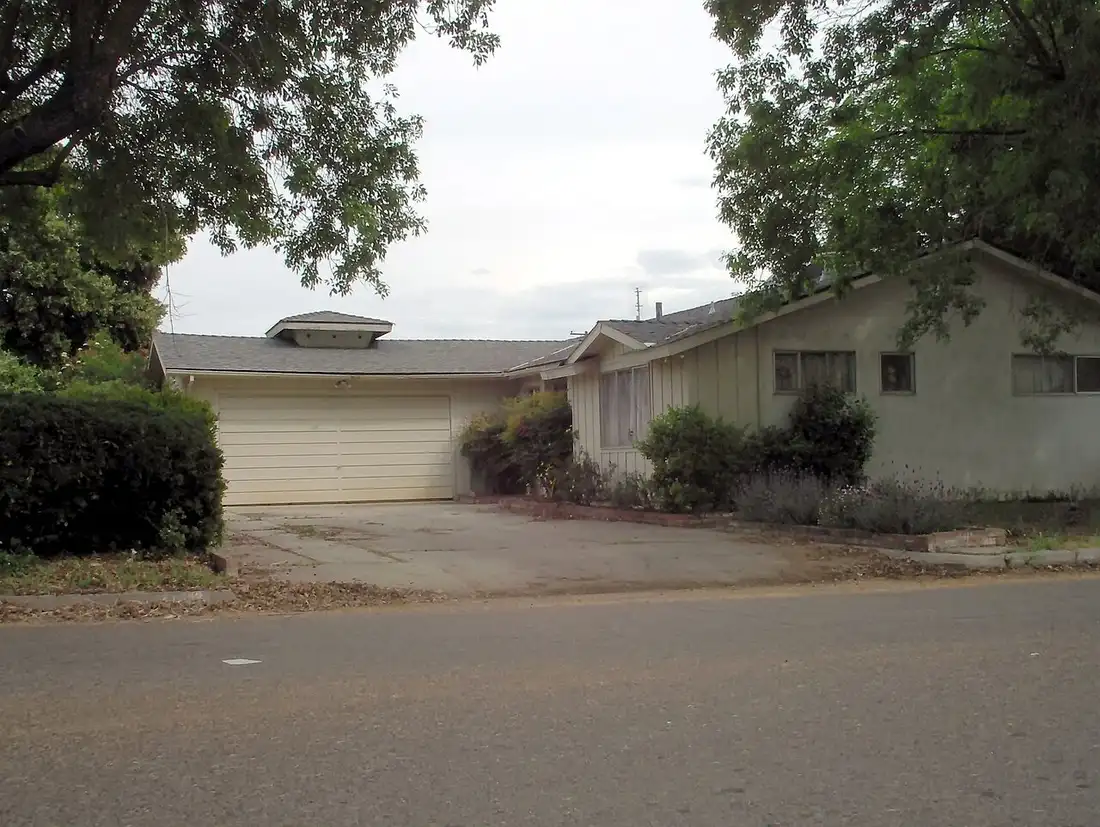
Garage Door Opener Repair in Annaville
Annaville is the rural-suburban fringe - acreage homes, metal buildings and room to spread out along FM 624.
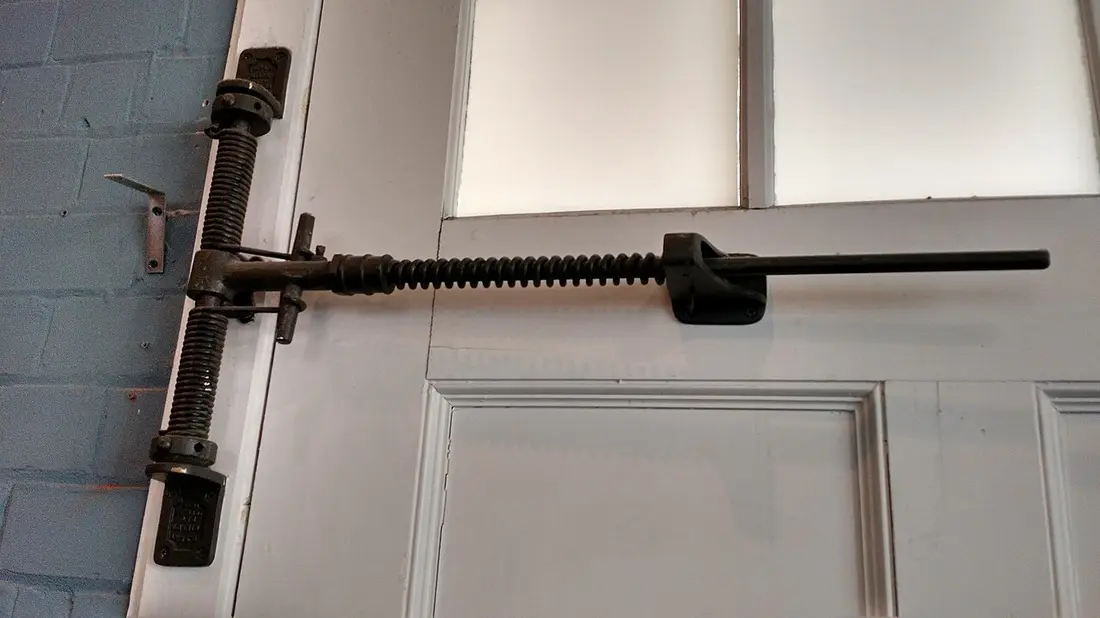
Opener diagnosis and repair - motors, gears, sensors, remotes and logic boards, in garages that bake all summer on the Texas coast.
Then there is the wind. This coast builds under hurricane rules because it lives under hurricane weather: the garage door is the largest opening in a home's envelope, and its failure in a storm pressurizes the whole house. Wind ratings here are not brochure language - they are design pressures, rated assemblies and paperwork that insurers read after landfall. Harvey wrote that lesson across Rockport and Aransas Pass in 2017, and the rebuilt coast has not forgotten it.
Sand completes the set. It rides the same breeze as the salt, packs into tracks, settles at the door's feet and grinds inside rollers with every cycle. Add wind-driven rain that probes every seal a few times a year, and the Coastal Bend's garage doors live a harder life than the same doors anywhere inland - which is why this directory's advice, parts and rhythms are all written for this air and no other.
The opener hums but the door does not move
The door reverses immediately or at the same spot every time
Remotes and keypads work intermittently or not at all
The opener light blinks a pattern when you try to run it
The chain or belt sags, slaps or has come off
The door opens on its own or ignores the wall button
Garage heat cooks logic boards and backup batteries - August is opener season on the coast
Salt film and humidity cloud photo-eye lenses and corrode low-voltage connections
Power flickers in coastal storms scramble settings and surge through boards
Spring is preparation season on the Coastal Bend. The heat has not yet moved into the garages, the storm season has not yet opened, and the months between are when a door's rating gets read, its tired springs and cables get retired, and its safety systems get proven. A door serviced in spring enters the hard half of the year with its corrosion wiped and its watch-list known.
Winter on the Coastal Bend is mild and deceptive. The doors rest from the heat, but the salt film keeps its own schedule, and the northers drive rain against seals that shrank in the summer. Winter is the wipe-down season - ten minutes with a cloth on the springs and cables removes the film that would otherwise work on the steel until spring.
Fall is the repair season: the heat off the garages, the storm season closing, and the right weeks to renew what the year has spent. Post-storm doors get their honest reading now too - the shifted track, the torn seal, the water line inside the garage that says the corrosion clock just restarted.
Openers report the door's health faithfully: rising force readings, reversals at the same spot, a drive that labors in one direction. A good diagnosis reads the opener as the door's witness before treating it as a suspect. Half the 'opener problems' on the coast are door problems - a tired spring, a binding roller - that the opener has been compensating for until it could not.
Garage electronics here age by three clocks. Heat: a closed garage in August runs temperatures that age boards and batteries years ahead of schedule. Salt: film creeps onto sensor lenses and low-voltage contacts, writing intermittent faults that come and go with the humidity. Surges: coastal storms flicker the grid, and boards remember every spike. Opener repair on the coast checks all three clocks before condemning a motor. The photo-eye stop and the auto-reverse are the difference between a door and a hazard, and they are tested, not assumed, at every opener visit. An opener old enough to lack sensors is not repaired around its missing safety - it is replaced, and the visit will say so in plain words. Remotes, keypads and car buttons are then paired to a system whose safety has been proven, not hoped for.
Repair wins for younger openers with honest faults - gears, sensors, drives, settings. Replacement wins when the board has failed on an old unit, when safety sensors were never part of its design, or when parts have gone obsolete. A middle case deserves its middle answer: repair the fault, note the opener's age plainly, and let the next fault make the replacement case if it comes.
Corpus Christi's garage doors breathe Gulf air every day of the year. The sea breeze carries an invisible salt film miles inland, and it settles on springs, cables, rollers and tracks whether a home sits behind the dunes on Padre Island or out in Calallen - distance from the water sets the speed of the corrosion, never its direction. Steel that would serve a decade inland is read here on a shorter clock, and every honest service in this directory starts from that fact.
The second force is heat. A closed garage on the Coastal Bend in August is the hottest room of the house, and everything in it ages at oven pace: opener logic boards, backup batteries, lubricants that thicken and dry, seals that shrink back from the door's edges. Summer is when the region's openers confess - and when a spring that has been losing its lift all year finally makes the opener's strain impossible to ignore.
a balanced door proves the fault is in the opener, not the door
Read the opener's signals: blink codes, sensor lights, drive behavior
gear, sensor, board, drive or settings - with matched parts
Reprogram travel and force, pair remotes and keypad, and test every safety stop
Openers last longest on doors that travel easily and in garages that do not cook them. The checks below keep the electronics honest - and keep small sensor mysteries from becoming replacement conversations.
The communities around the city carry the same salt air and the same questions - here is this service where the bay meets the neighborhoods.
Annaville is the rural-suburban fringe - acreage homes, metal buildings and room to spread out along FM 624.
Robstown is the historic cotton town northwest of Corpus Christi - an agricultural community with deep South Texas roots.
Portland sits across Corpus Christi Bay - a fast-growing family city with bay views, good schools and a commuter bridge run into town.
Ingleside is the bay-shore city by the port's industrial corridor - working families, bay access and a mix of old and new housing.
Start with the bayfront and the island side - Downtown Corpus Christi, North Beach, Midtown, Bayside, Central Corpus Christi, Westside. The water's edge holds the city's oldest doors and its hardest salt exposure, and garage door opener repair there is as much corrosion judgment as mechanical choice.
The middle band - Bay Area, Lamar Park, South Side, Saratoga Area, Flour Bluff, Padre Island, Calallen - is the post-war and subdivision city: ranches and family neighborhoods where garage door opener repair runs street after street of same-era doors reaching the end of their springs together.
And the shore towns and growth edges - Annaville, Robstown, Portland, Ingleside, Aransas Pass, Rockport, Port Aransas - where rebuilt and brand-new communities put young doors into old salt air. garage door opener repair there is new work, but the Gulf grades it on the same four tests.
Every area we serve has its own Garage Door Opener Repair page with local detail.
One more thing the map shows: garage door opener repair on the Coastal Bend is not one job repeated. The full local picture - every community's housing era, exposure and failure pattern - is laid out across the area pages linked above, and this service's page for each of them. Read your own area's page before you call: the questions it raises are the ones a good visit answers, and knowing them puts you in charge of the conversation.
Most opener faults are sensor, power or door faults wearing the opener's name. The hand test separates them: a balanced door that lifts easily means the opener is the suspect.
Read the GuideSalt film, not salt chunks, does the damage - it settles invisibly and holds moisture against steel. Distance from the water sets the clock: island doors age fastest, inland doors slowest, none are exempt.
Read the GuideThree tests, five minutes, monthly: sensor stop, contact reverse, balance. A door that fails any of them is out of service until it is fixed - not 'used carefully'.
Read the GuideChain, belt, screw-drive and wall-mount openers - the diagnosis differs by drive, and the common parts for each travel on the truck.
Yes - remote, keypad and vehicle pairing is part of the service, including clearing old codes when a home changes hands.
Yes - photo-eye sensors have been the safety standard for decades, and an opener without them should be replaced, not repaired around. The visit will say so plainly.
Surges. Coastal storms flicker power and send spikes through garage circuits; boards are the usual casualty. A surge protector on the opener is cheap insurance afterward.
Commonly a stripped drive gear or a door the opener can no longer lift - the hand test separates them: if the door lifts smoothly by hand, the fault is the opener's drive; if it is dead weight, look to the springs.
A consistent reversal point points at a track obstruction, a binding roller or a force setting tripped by a stiff spot - the door is reporting a mechanical truth the visit can find.
On most openers, that pattern is the safety sensors reporting - misaligned, blocked or filmed over. On the coast, salt film on the lenses is the first suspect; wipe them before you conclude anything is broken.
Age and fault decide: a young opener with a gear or sensor fault is a repair; an old opener with a failed board, no safety sensors or obsolete parts is a replacement conversation - the visit prices both honestly against each other.
Yes - 'automatic' and 'electric' garage doors are opener-driven doors, and their repairs are the opener service on this page: the drive, the sensors, the board and the door it guides, diagnosed together. Most automatic-door faults turn out to be one of the coastal three - heat, salt film on the sensors, or a surge - and each has its own remedy.
Yes - a lost or dead fob is replaced and paired at the visit, and the old fob's code is cleared from the opener's memory so a lost remote is not a spare key to your house. Keypads and vehicle buttons are paired in the same visit, and the opener's rolling-code system is checked while it is open.
It depends on the opener's generation: recent openers with built-in Wi-Fi usually connect to smart-home systems directly, and older openers can often be bridged with a smart controller that works with the opener's existing remote circuit. What should never be bridged is a door whose safety systems are not proven - the smart layer comes after the sensors pass their tests, and the visit can tell you which side of that line your opener is on.
Through the exterior keypad: enter your PIN and the door runs. If the keypad has stopped accepting the PIN, the causes are coastal and familiar - a dead battery, weathered contacts, or a code the opener has forgotten after a surge. Re-pairing the keypad is part of the opener service, and a PIN you have shared widely is worth changing at the same visit.
One call connects you with a garage door professional serving Corpus Christi and the Coastal Bend - springs, cables, openers, off-track doors and full replacement.
📞 Call Now